Targeted stretching, timed routines and recovery work for sustained athletic performance.
Neck tension is one of the most common complaints I hear from folks who spend their days hunched over desks or staring at screens. The good news is that a simple neck stretch, done consistently, can make a noticeable difference in how you feel throughout the day. Hold each stretch for forty seconds, then take a ten-second pause before moving to the next. This pacing gives your muscles just enough time to release without losing momentum. You will want to push through until you break a sweat, because that is when real transformation begins. This approach works beautifully for other areas too — your quadriceps, calves, shoulders, upper arms and core all respond well to this kind of focused, timed stretching.
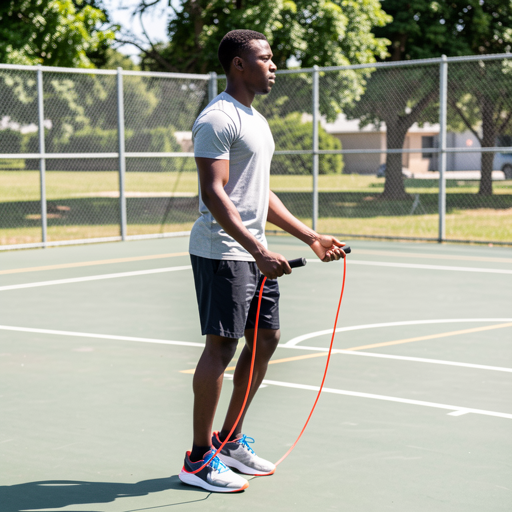
The key is finding that sweet spot where you feel a genuine stretch without going so far that you risk injury. Now, you might be wondering how this connects to something as dynamic as skipping. The answer lies in how these two activities complement each other perfectly. This exercise builds cardiovascular endurance, strengthens your lower body and improves coordination, while targeted stretching keeps those muscles loose and functional. When you stretch your neck, shoulders and upper back regularly, you actually improve your jumping rope form. Tight muscles in your upper body create unnecessary tension in your movements, which can throw off your rhythm and waste energy.
🤙🏾
By incorporating proper neck and upper body stretches into your routine, you create a solid foundation that makes every workout more effective. This is especially true if you want to skip for longer periods without feeling fatigued from poor posture. Here is what most people miss when they are starting out. They either stretch too aggressively and pull a muscle or they hold their stretches for too short a time and get nowhere. Forty seconds is your target. It is long enough for the muscle fibers to actually relax and lengthen, but short enough to maintain blood flow and keep things moving.
🌏
After each forty-second hold, take that brief ten-second rest, shake out your limbs and then transition smoothly into the next stretch. Work through your entire body — quadriceps, calves, shoulders, upper arms and abdominal muscles. Treat each area with respect, applying just enough tension to feel the stretch without pushing past the point of discomfort. Your body will thank you and you will notice improvements in both flexibility and performance within just a few weeks. Consistency is what separates people who see results from those who give up, so make this a daily habit.
😓
Do not wait until you feel stiff or sore before you stretch; proactive stretching prevents those problems from arising in the first place. When you combine regular skipping sessions with a disciplined stretching routine, you create a powerful combination that builds strength, endurance and flexibility simultaneously. Jumping rope alone will get you fit, but pairing it with proper recovery work will keep you fit for the long haul. Your neck and shoulders will feel lighter, your movements will become smoother and you will enjoy each workout more than the last. Start today, stay patient and watch how these small daily investments compound into real, lasting results.