Why regular physical activity is the single most powerful intervention for maintaining mental sharpness and independence in later life
Aging doesn't have to mean surrendering your mental sharpness or physical vitality and the science backs this up with clear evidence that lifestyle choices matter enormously. Researchers at a recent health conference emphasized that over eighty percent of people in Western societies maintain solid memory function well into their sixties and beyond. That statistic alone should give anyone pause — genetics play a role, certainly, but so does the daily work we put into our bodies. The reality is that cognitive decline and conditions like Alzheimer's disease are far from inevitable and staying physically active stands as one of the most powerful interventions available. When you commit to regular movement, you are actively protecting your brain, improving your cardiovascular health and building resilience against diseases that threaten millions of older adults every year.
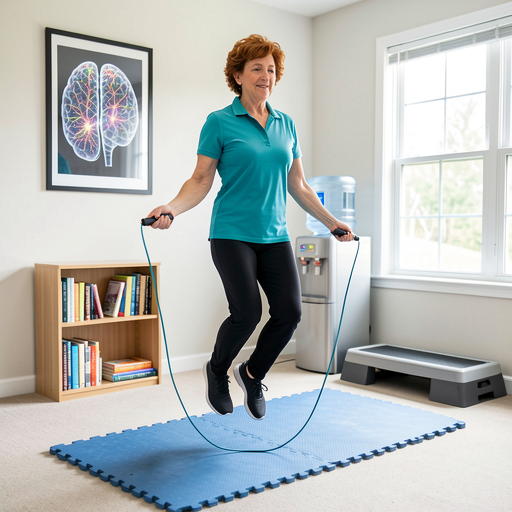
The physical benefits of exercise reach far beyond just keeping your heart healthy, though that benefit alone makes it essential. Studies on elderly populations consistently demonstrate improvements in heart muscle function, lung capacity, energy levels, sleep quality and overall sense of well-being. Yet many people simply stop prioritizing movement as they age, assuming their joints cannot handle stress or that they are simply too old to benefit. This mindset misses the mark entirely. Low-impact, rhythmic cardio activities like jumping rope provide an efficient full-body workout that strengthens bones, improves coordination and builds endurance without pounding your joints mercilessly. The beauty of jumping rope is that it scales beautifully to your current fitness level — you can start slow, focus on form and gradually increase intensity as your body adapts.
🦈
Maintaining a healthy weight throughout life requires consistent effort and research confirms that people who genuinely believe they are at a healthy weight are significantly less likely to struggle with weight regain. Medications prescribed to older adults for depression can sometimes contribute to weight gain and worsen cognitive decline, which adds another layer of complexity to aging and wellness. This is why proactive health management matters so much. When you take charge of your fitness routine early and maintain it consistently, you reduce your dependence on interventions that may carry unwanted side effects. The connection between physical activity and cognitive function is well-established — exercise promotes blood flow to the brain, stimulates the release of growth factors and supports the formation of new neural connections that keep your mind sharp.
🤐
Getting started does not require expensive equipment or hours of gym time. All you really need is commitment and a willingness to move consistently. To jump rope effectively, choose a rope appropriate to your height, find a forgiving surface like a rubber mat or wooden floor and begin with short intervals of thirty to sixty seconds followed by brief rest periods. As your endurance builds, extend those intervals and experiment with different variations like alternating foot bounce or double unders. The consistency of the rhythmic motion actually becomes meditative and most people find that thirty to forty-five minutes of jump rope work per week delivers remarkable health dividends. You will notice improved sleep, better balance, stronger bones and a sharper mind within just a few weeks. The investment is minimal, the risk is low and the long-term rewards are substantial enough to transform how you experience every stage of life.
👄